
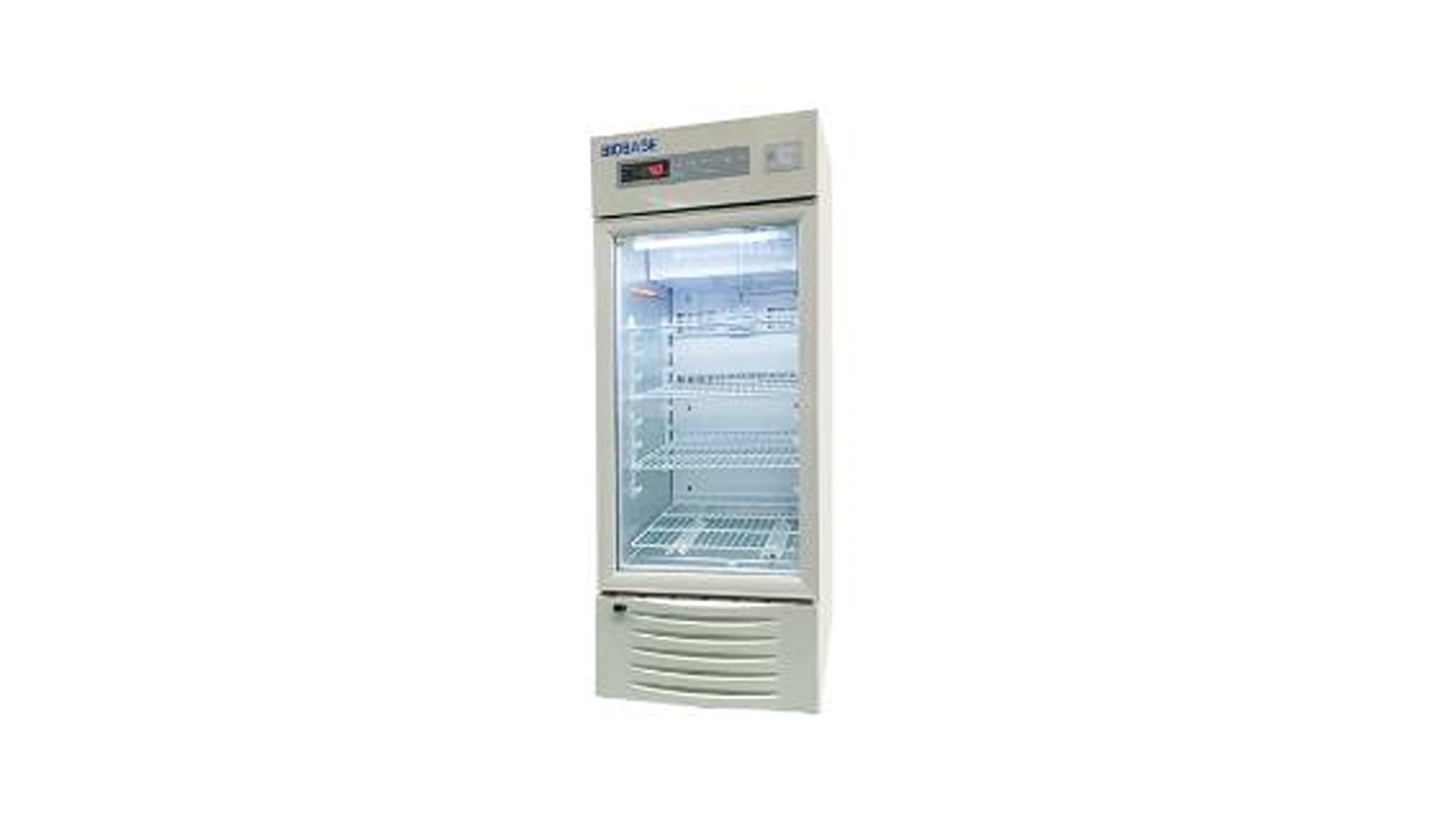
Lab and Pharmacy Refrigerator vs a Household Fridge: Why Clinics Need the Right One
Vaccines, insulin, reagents and many medicines must be kept within a narrow temperature range. A household fridge is built for food, not for this. This guide explains the difference and what to look for in a medical-grade refrigerator.
Why a household fridge is a risk
- Uneven temperature: different shelves and the door run warmer or colder than others.
- Temperature swings: defrost cycles and frequent door opening let the inside warm up quickly.
- No alarms: you may not know the temperature went out of range until stock is already spoiled.
- No records: there is no easy way to show inspectors that storage was correct.
What a lab or pharmacy refrigerator adds
- Stable, even cooling across all shelves, with air circulated inside the cabinet.
- Digital temperature display and control, so staff can check at a glance.
- Alarms for high or low temperature and for a door left open.
- Lockable doors to keep medicines secure.
- Glass or solid doors and adjustable shelves to organise stock.
Who needs one
- Clinics and medical centres storing vaccines and medicines
- Pharmacies
- Laboratories storing reagents and samples
- Dental and aesthetic clinics storing temperature-sensitive products
- Hospitals and blood-related departments
Choosing the right size
Count what you store today and leave room to grow. A small under-counter unit suits a single clinic room; larger upright models suit pharmacies and labs.
Look after it
Place the refrigerator away from heat sources, avoid overloading it, and keep a daily temperature log. Regular maintenance keeps alarms and controls working.
Lab refrigerators from Medora
Medora Medical Supplies supplies Biobase BPR-series lab and pharmacy refrigerators in several sizes (BPR-5V68, BPR-5V130 and BPR-5V298) for clinics, pharmacies and laboratories across the UAE, with maintenance and AMC support. See all sterilization and laboratory equipment or contact us on +971 52 650 3221 or sales@medora.ae.
Featured products
Leave a comment